
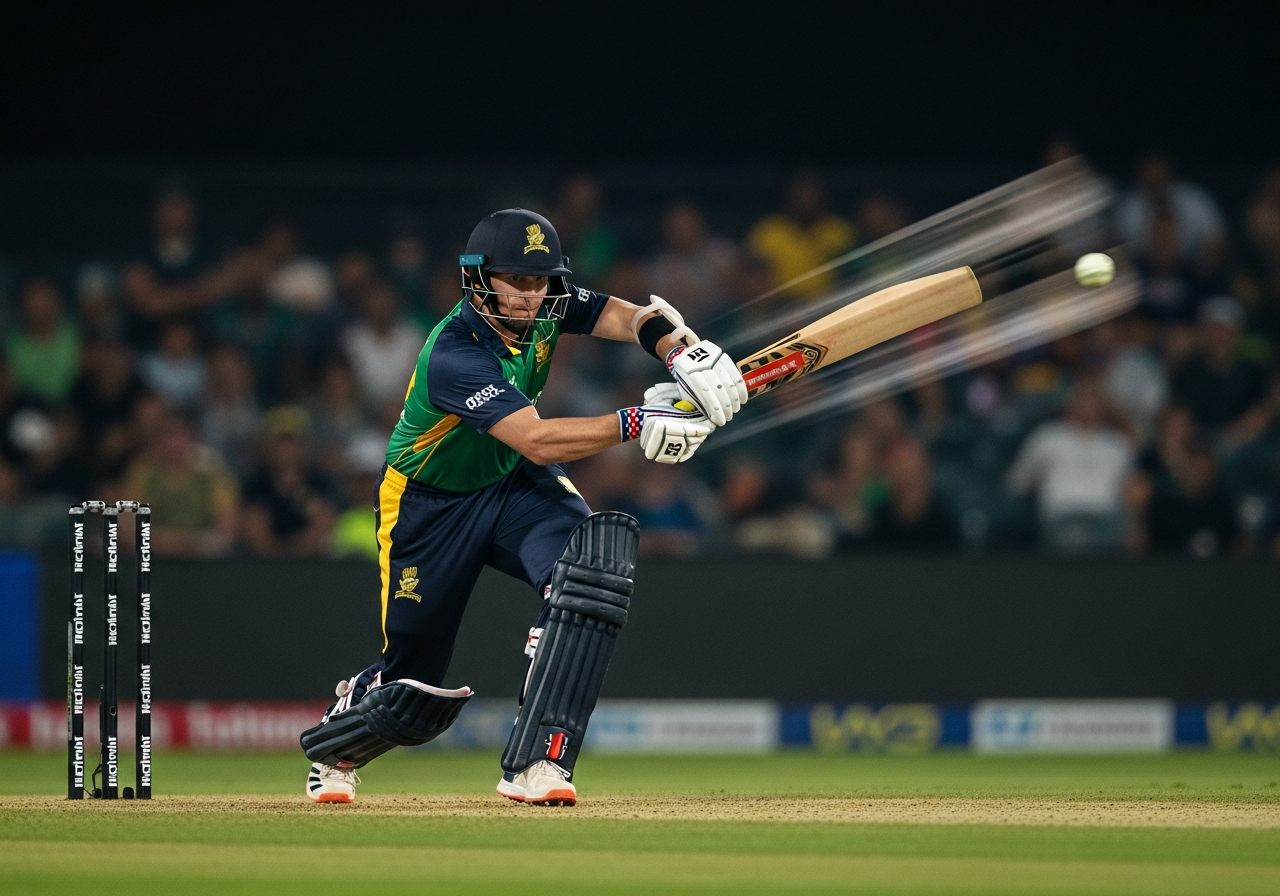
Betting on total runs in last 5 overs
The last five overs of cricket matches featuring India represent some of the most electrifying and unpredictable moments in the sport, particularly in T20 and ODI formats. These death overs often determine match outcomes through explosive batting displays, clever bowling variations, and high-pressure situations that can swing dramatically within a single delivery. For betting enthusiasts, this period offers unique opportunities to capitalize on rapidly changing match dynamics, required run rates, and individual player performances under extreme pressure.
This article serves an educational purpose, helping readers understand the mechanics and risks associated with death overs betting markets. While online betting remains legally complex in India, understanding these markets provides valuable insights into cricket analytics and probability assessment. Responsible engagement with any form of betting requires careful consideration of local laws, personal financial limits, and the inherently volatile nature of these specialized markets.
What Does ‘Total Runs in the Last 5 Overs’ Mean in India Cricket Betting?
The total runs in the last 5 overs market focuses specifically on runs scored during overs 16-20 in T20 cricket or the final five overs of an ODI innings. Sportsbooks set a predicted total, and bettors wager whether the actual runs will exceed (Over) or fall short (Under) of this line. Settlement occurs after the completion of the specified overs, counting all runs including extras like wides and no-balls.
In practice, if India is chasing 165 in a T20 match and requires 45 runs from the last 5 overs, the betting line might be set at 47.5 runs. The market settles based purely on runs scored during those overs, regardless of whether India wins or loses the match. When India bats first, the market operates similarly, focusing on their scoring rate during the death overs without considering the opposition’s chase.
This market differs from traditional match betting by isolating a specific phase of play, allowing bettors to focus on factors like power hitting, bowling variations, and pressure situations that define modern cricket’s most crucial moments. The narrow timeframe creates intense volatility, where a single over can drastically alter outcomes.
Understanding the exact settlement terms is crucial, as some operators may adjust for weather interruptions or over reductions, while others void bets if the full five overs aren’t completed. The market’s popularity stems from its fast resolution and the dramatic nature of death overs cricket.
Fixed Odds vs Spread Markets on Final 5 Overs Runs
Fixed odds betting on last 5 overs runs operates through simple Over/Under propositions, where bettors select whether total runs will exceed or fall short of the bookmaker’s line. For example, with a line set at 52.5 runs for India’s death overs, a successful Over bet requires 53 or more runs, while Under wins with 52 or fewer. Stakes and returns are predetermined, providing clear risk-reward calculations before placing bets.
Spread betting introduces variable outcomes where profits and losses depend on accuracy rather than simple direction. If a spread market quotes India’s last 5 overs at 48-50 runs, buying at 50 generates £1 profit per run above 50, while selling at 48 produces £1 profit per run below 48. A 62-run final five overs would yield £12 profit for buyers, while sellers face equivalent losses.
Indian cricket’s explosive potential makes spread betting particularly risky during death overs, as players like Hardik Pandya or MS Dhoni can score 20+ runs in a single over. Fixed odds provide predictable maximum losses, while spreads can generate substantial profits or losses depending on actual scoring rates compared to the spread range.
Key Differences from Full-Innings and Session Runs Markets
Last 5 overs markets exhibit significantly higher volatility than full-innings totals due to their compressed timeframe and the aggressive nature of death overs cricket. While a full T20 innings might see scoring rates vary between 6-12 runs per over across 20 overs, the final five overs can easily fluctuate between 4-20 runs per over, creating dramatic swings in small sample sizes.
Session-based markets like “runs in overs 1-6” or “runs in overs 7-15” typically involve more predictable scoring patterns, as batsmen establish themselves or maintain steady accumulation. The powerplay restrictions and field settings during these phases create relatively stable environments compared to death overs chaos.
The psychological pressure factor distinguishes last 5 overs markets from earlier phases, as batsmen must balance aggressive intent with match situation awareness. A required run rate of 15 per over fundamentally changes batting approach compared to comfortable scoring situations, making historical averages less reliable for prediction purposes than in more stable market segments.
How Sportsbooks in India Price Last 5 Overs Total Runs
Pricing death overs run totals requires sophisticated modeling that accounts for multiple dynamic factors specific to Indian cricket conditions. Sportsbooks analyze historical scoring patterns at specific venues, considering factors like pitch deterioration, dew formation, and boundary dimensions that significantly impact run-scoring potential during high-pressure situations.
The pricing process involves real-time adjustments based on match developments, with algorithms weighing current match state against historical performance data. Required run rates, wickets remaining, and individual batsman capabilities all feed into complex calculations that determine opening lines and subsequent adjustments throughout the innings.
Indian venues present unique challenges for pricing models, as conditions like Wankhede’s small boundaries or Chepauk’s typically slower pitches create venue-specific scoring tendencies. Weather conditions, particularly dew formation during evening matches, can dramatically alter ball behavior and batting ease during crucial final overs.
Premium pricing often applies to these volatile markets, with sportsbooks maintaining higher margins to compensate for increased unpredictability. The rapid pace of modern cricket requires continuous line adjustments, creating opportunities for sharp bettors who can identify value before bookmaker models fully adjust to developing situations.
| Pricing factor | How it affects last 5 overs | Impact on runs line (typical change) |
|---|---|---|
| Required run rate above 12/over | Forces ultra-aggressive batting approach | +8 to +12 runs on total line |
| Wickets in hand (8+ vs 5 or fewer) | More wickets enable riskier shot selection | +6 to +10 runs difference |
| Set batsman (50+ runs already scored) | Confidence and timing established for big hitting | +4 to +7 runs adjustment |
| Death bowling specialist available | Yorkers and variations limit scoring | -5 to -8 runs reduction |
| Dew factor in evening matches | Wet ball favors batsmen significantly | +3 to +6 runs increase |
| Small boundaries (under 65m) | Mishits clear rope more easily | +3 to +5 runs boost |
| Pitch deterioration (day 2+ Test venue) | Uneven bounce complicates timing | -4 to -7 runs decrease |
Role of Required Run Rate and Match Situation
Required run rates fundamentally reshape betting lines for India’s death overs, as mathematical pressure forces tactical adjustments that dramatically impact scoring potential. When India needs 65 runs from 5 overs (13 per over required rate), bookmakers typically add 8-12 runs to standard death overs totals, anticipating desperate hitting and inevitable boundary attempts regardless of bowling quality or pitch conditions.
Conversely, comfortable chasing situations where India requires only 30 runs from 5 overs often see reduced totals, as batsmen can afford selective shot choices and singles rotation. The psychological element proves crucial here, as established partnerships tend to accelerate gradually rather than immediately, creating Under value in early stages of comfortable chases.
Match situation also influences bowling team tactics, with defensive fields and wide yorkers becoming prevalent during high-pressure chases. However, these tactics often backfire in Indian conditions where dew and small boundaries favor aggressive batting, creating complex dynamics that sophisticated bettors can exploit when bookmaker models overcompensate for defensive bowling strategies.
Standard Market Types for Final 5 Overs in India-Focused Sportsbooks
Indian cricket betting platforms offer diverse options for death overs wagering, reflecting the popularity of T20 formats and the IPL’s influence on betting market development. These markets cater to different risk appetites and analytical approaches, from simple totals to complex proposition bets focusing on specific aspects of death overs cricket.
The IPL’s massive popularity has driven innovation in death overs markets, with operators introducing increasingly sophisticated options that appeal to cricket-savvy bettors who understand nuanced aspects of modern batting and bowling strategies. These markets often feature enhanced odds during major tournaments, particularly when high-profile Indian batsmen are well-set entering the final phase.
Regional preferences influence market availability, with certain operators focusing heavily on boundary-related markets given Indian cricket’s emphasis on aggressive stroke play. The variety ensures that bettors can find markets matching their analytical strengths, whether focusing on aggregate totals, individual performance, or specific outcome types.
Understanding market mechanics becomes crucial as different operators may offer varying settlement terms, particularly regarding weather interruptions or over reductions. The standardization of these markets across major platforms reflects their established popularity among Indian cricket betting enthusiasts.
- Team Total Runs Last 5 Overs: Standard over/under market on aggregate team scoring during overs 16-20, typically the most liquid death overs option
- Individual Over Run Totals: Separate markets for each of the final five overs, allowing targeted betting on specific over outcomes
- Total Boundaries in Death Overs: Combined count of fours and sixes during final five overs, popular given India’s aggressive batting style
- Highest Scoring Over in Last 5: Prediction market for which over will yield the most runs, often offering enhanced odds for 20+ run overs
- Runs vs Wickets Combined: Hybrid markets combining total runs with wickets lost, creating more complex risk-reward scenarios
- First Ball of 20th Over: Specialized proposition betting on the opening delivery of the final over, reflecting match pressure dynamics
- Method of Dismissal in Death Overs: Specific betting on how batsmen will be dismissed during final five overs, if at all
Alternative Micro-Markets Within the Last 5 Overs
- Runs Off Next Delivery: Ball-by-ball betting during live play, offering immediate settlement and extreme volatility for small stakes
- Total Dot Balls in Death Overs: Counting deliveries yielding zero runs, valuable when analyzing defensive bowling approaches
- Consecutive Boundaries: Betting on sequences of fours or sixes within death overs, reflecting batting momentum and bowling pressure
- Extras Count in Final 5 Overs: Wides, no-balls, and byes totals, particularly relevant in high-pressure bowling situations
- Strike Rate of Set Batsman: Runs per 100 balls for established batsmen during death overs, focusing on individual acceleration
- Bowling Changes in Death Overs: Prediction markets on captain decisions regarding bowler rotation during crucial final phase
In-Play vs Pre-Match Lines on Last 5 Overs
Pre-match death overs lines rely heavily on historical data and expected conditions, often lacking accuracy due to cricket’s unpredictable nature and the inability to predict exact match situations entering the final phase. Bookmakers typically set conservative ranges that account for various scenarios, from comfortable chases to high-pressure run hunts, resulting in lines that may not reflect actual developing situations.
In-play adjustments offer more precise pricing as real match conditions become apparent, including pitch behavior, bowling quality, and batsman form. However, these markets move rapidly during live play, requiring quick decision-making and often featuring reduced betting limits due to increased accuracy and reduced bookmaker edge.
The speed of modern cricket creates challenges for in-play betting, as market prices can change dramatically between deliveries. Successful in-play death overs betting requires understanding of momentum shifts, bowling rotation patterns, and the psychological pressure affecting both batsmen and bowlers during crucial moments in the match.
Cricket Factors That Drive Runs in the Last 5 Overs
Understanding the tactical and environmental elements that influence death overs scoring helps bettors make informed decisions about total runs markets. Indian cricket presents unique characteristics due to venue conditions, player styles, and typical match situations that differentiate it from other international cricket contexts.
Batsman mentality during death overs varies significantly based on match situation, personal form, and team requirements. Established batsmen with 50+ runs often possess the confidence and timing necessary for sustained big hitting, while new batsmen face the dual challenge of adjusting to match conditions while maintaining aggressive intent under pressure.
Bowling strategy evolution has created new dynamics in death overs cricket, with specialist death bowlers developing variations specifically designed to limit boundary scoring. However, these tactics often prove less effective in Indian conditions where dew, smaller boundaries, and aggressive batting cultures can neutralize even the best bowling plans.
Environmental factors unique to Indian cricket venues play crucial roles in determining death overs outcomes. Evening matches often see dew formation that makes bowling difficult, while venues like Chinnaswamy Stadium’s short boundaries can turn half-chances into sixes, dramatically altering scoring potential during crucial final phases.
| Factor | High-total scenario (tends to Over) | Low-total scenario (tends to Under) | Notes specific to India conditions |
|---|---|---|---|
| Batting partnership | Set batsmen with 30+ partnership | New batsmen or recent wickets | Indian batsmen excel at quick partnerships |
| Required run rate | Above 12 per over needed | Below 8 per over required | High RRR forces boundaries in India |
| Death bowling quality | Part-time or medium pace options | Specialist death bowlers with yorkers | Dew often negates bowling advantage |
| Ground dimensions | Short boundaries under 65 meters | Large grounds like Eden Gardens | Many IPL venues favor batsmen heavily |
| Weather conditions | Evening matches with dew formation | Afternoon games, dry conditions | Dew factor crucial in Indian cricket |
| Pitch characteristics | Flat, true bounce throughout innings | Deteriorating, uneven bounce developing | Indian pitches vary dramatically by venue |
| Wickets in hand | 7+ wickets remaining for freedom | 4 or fewer wickets, tail exposed | Indian lower order often contributes |
| Power hitter presence | In-form finishers like Hardik, Jadeja | Conventional batsmen without power game | India produces exceptional finishers |
Impact of Pitch, Dew and Ground Dimensions in India
Indian cricket venues present distinct challenges that significantly impact death overs scoring patterns, with dew formation during evening matches creating perhaps the most dramatic environmental factor affecting final overs outcomes. The moisture makes ball gripping difficult for bowlers, reduces swing and spin effectiveness, and often transforms challenging chases into routine victories for batting teams with established partnerships.
Ground dimensions vary dramatically across Indian venues, from Chinnaswamy Stadium’s notoriously short boundaries to Eden Gardens’ more expansive outfield. These differences can alter death overs totals by 10-15 runs, as mishit shots clear boundaries easily in compact venues while requiring perfect timing in larger grounds. The square boundaries often prove more crucial than straight hits during death overs, as batsmen target cow corner and backward point areas for maximum returns.
Pitch deterioration follows predictable patterns at most Indian venues, with red soil pitches in Bangalore and Chennai typically slowing down significantly by the final overs, while black soil pitches in Mumbai and Delhi often maintain consistent pace throughout. Understanding these venue-specific characteristics helps bettors adjust their expectations for death overs scoring potential based on the host city and ground conditions.
Using Data to Estimate Last 5 Overs Totals on India Matches
Developing accurate projections for death overs totals requires systematic analysis combining historical performance data, current match conditions, and real-time situational factors. Successful modeling approaches balance quantitative metrics with qualitative assessments of player form, team strategies, and environmental conditions specific to Indian cricket contexts.
The foundation of any projection model involves collecting comprehensive death overs data from similar match situations, focusing on venue-specific scoring patterns, team performance under comparable pressure scenarios, and individual player statistics during final overs phases. This historical baseline provides the starting point for adjustments based on current match developments.
Advanced modeling incorporates dynamic factors that traditional statistics might miss, including recent player form trajectories, bowling attack compositions, and tactical considerations that influence death overs approaches. The key lies in weighting these various inputs appropriately while maintaining flexibility to adjust projections as live match situations develop.
Validation of projection accuracy requires maintaining detailed records of predictions versus actual outcomes, identifying consistent biases in modeling approaches, and refining methodologies based on observed performance patterns. Successful death overs modeling often achieves 55-60% accuracy rates, sufficient for profitable betting when combined with disciplined bankroll management.
- Compile venue-specific death overs data: Gather last 20 matches at the venue, focusing on final 5 overs scoring rates, boundary percentages, and environmental conditions during each game
- Analyze team performance under pressure: Review each team’s death overs performance in similar required run rate situations, accounting for batting depth and typical acceleration patterns
- Assess individual player form: Examine recent performances of likely death overs participants, including strike rates, boundary frequency, and success under pressure situations
- Factor in bowling attack capabilities: Evaluate death bowling options available, considering yorker accuracy, variation quality, and recent performance against similar batting lineups
- Weight environmental conditions: Incorporate weather forecasts, dew predictions, pitch reports, and ground dimension impacts into the baseline projection
- Calculate weighted average projection: Combine historical averages with current match factors, applying appropriate weightings to recent vs. long-term performance data
- Apply confidence intervals: Establish ranges around central projections to account for inherent volatility in death overs cricket, typically ±8-12 runs from the central estimate
Sample Calculation: Projecting India’s Last 5 Overs in a T20
Consider India requiring 55 runs from 5 overs at Wankhede Stadium with Hardik Pandya (45*) and Ravindra Jadeja (12*) at the crease, facing a bowling attack lacking specialist death bowlers. The baseline venue data shows Wankhede’s last 5 overs average 52 runs in T20 matches, with evening games averaging 4 runs higher due to dew conditions.
Player-specific adjustments add value based on current form and match situation. Pandya’s recent death overs strike rate of 180 suggests aggressive intent, while the required rate of 11 per over demands boundary hitting. The bowling attack’s reliance on part-time options during death overs historically concedes 6-8 additional runs compared to specialist death bowlers, particularly in pressure situations.
Environmental factors including evening timing, forecast dew, and Wankhede’s short square boundaries contribute additional adjustments. Combining these factors produces a projected range of 58-64 runs for India’s final 5 overs, compared to a hypothetical bookmaker line of 55.5 runs, suggesting potential value on the Over at standard odds.
This calculation demonstrates the importance of comprehensive analysis rather than relying solely on historical averages, as multiple factors converge to create situations where informed projections can identify value against bookmaker lines that may not fully account for specific match dynamics.
Adjusting Your Estimate for Wickets in Hand and Set Batters
Wicket resources dramatically impact death overs scoring potential, with 7+ wickets in hand typically adding 8-12 runs to projected totals compared to situations with 4-5 wickets remaining. The psychological freedom to play aggressive shots without fear of exposing the tail encourages boundary attempts that might be avoided in precarious positions.
Set batsmen who have faced 25+ deliveries possess significant advantages in timing and confidence that translate directly to death overs scoring potential. Research indicates that batsmen with 40+ runs scored accelerate more effectively than new batsmen entering during final phases, typically contributing 15-20% higher strike rates during crucial closing overs.
The interaction between wickets in hand and established partnerships creates compounding effects, where confident batsmen with wicket security often produce the most explosive death overs sequences. Understanding these dynamics helps bettors identify situations where bookmaker lines may undervalue the combination of batting depth and established timing that characterizes India’s most successful death overs performances.
Strategy Basics: When to Consider Over or Under in the Last 5 Overs
Successful death overs betting requires understanding the specific conditions that favor explosive scoring versus defensive, low-scoring outcomes. The extreme volatility of these markets demands careful situation assessment rather than relying on simple statistical averages or gut feelings about match momentum.
Over bets typically offer value when multiple favorable factors align, including established batting partnerships, required run rates above 10 per over, bowler fatigue, and environmental conditions like dew or short boundaries. The key lies in identifying situations where aggressive batting becomes necessary rather than optional, forcing boundary attempts regardless of bowling quality.
Under scenarios often develop when bowling teams retain their best death bowlers, pitches begin deteriorating significantly, or batting teams adopt conservative approaches during comfortable chases. The challenge lies in recognizing when apparent batting advantages might be neutralized by superior bowling execution or tactical adjustments.
Risk assessment becomes crucial in these volatile markets, where single overs can determine outcomes regardless of careful pre-match analysis. Successful bettors focus on identifying clear edges rather than attempting to predict outcomes in genuinely close situations where random variance dominates logical analysis.
- Target Over bets when required run rate exceeds 12 per over: Mathematical pressure forces boundary attempts, often resulting in high-scoring finishes regardless of bowling quality
- Consider Under during comfortable chases (RRR below 7): Batsmen can afford singles and sensible cricket, reducing the need for risky boundary attempts
- Favor Over in evening matches with dew forecasts: Wet conditions significantly handicap bowlers, particularly those relying on slower balls and spin variations
- Look for Under value when specialist death bowlers remain available: Quality yorker bowlers can restrict even aggressive batsmen, especially on appropriate pitches
- Back Over with established batsmen (40+ runs scored): Timing and confidence levels typically translate to effective death overs acceleration
- Consider Under when new batsmen face final overs: Adjustment periods and pressure often limit immediate boundary scoring from recently arrived players
- Target Over bets at small boundary venues: Venues like Chinnaswamy or Sharjah where mishits frequently clear ropes
Common Mistakes Bettors Make on Death Overs Totals
- Overreacting to single-over sequences: One big over doesn’t guarantee continuation, as bowlers adjust tactics and batsmen may become overconfident, leading to hasty in-play betting decisions
- Ignoring pitch deterioration effects: Assuming consistent scoring throughout innings while overlooking how surfaces slow down significantly in final overs, particularly on turning tracks
- Underestimating quality death bowling impact: Failing to account for yorker specialists or experienced death bowlers who can restrict even set batsmen through superior execution
- Chasing losses with increased stakes: Doubling down after bad beats in volatile markets, ignoring that death overs outcomes often involve significant random variance
- Overlooking weather condition changes: Missing dew formation or wind pattern shifts that dramatically alter bowling effectiveness during crucial final phases
- Betting on emotional momentum rather than data: Allowing crowd atmosphere or commentator excitement to override analytical assessment of actual scoring probability
Comparing Fixed Odds and Spread Betting on Last 5 Overs Runs
The choice between fixed odds and spread betting for death overs markets involves balancing risk tolerance with profit potential, as each approach offers distinct advantages depending on bettor confidence levels and market assessment. Fixed odds provide predictable maximum losses with capped returns, while spread betting creates unlimited upside and downside based on accuracy of predictions.
Fixed odds betting suits cautious approaches where bettors identify clear directional edges but acknowledge the inherent volatility of death overs cricket. The protection against extreme outcomes makes this approach suitable for smaller bankrolls or situations where bettors lack strong conviction about specific scoring ranges.
Spread betting rewards accuracy with proportional returns, making it attractive when bettors have strong views about likely scoring ranges rather than simple over/under direction. However, the unlimited liability aspect requires careful risk management, particularly in death overs markets where single overs can generate 20+ run swings.
Understanding the risk-reward dynamics of each approach helps bettors select appropriate strategies based on their analytical confidence, bankroll size, and risk tolerance. Many successful death overs bettors combine both approaches, using fixed odds for general market views and spreads for high-conviction situations where they expect significant variance from market pricing.
| Feature | Fixed odds over/under | Spread betting on runs | Risk profile for last 5 overs |
|---|---|---|---|
| Maximum loss | Limited to stake amount only | Potentially unlimited liability | Death overs volatility makes spreads risky |
| Profit potential | Capped at predetermined odds | Unlimited based on accuracy | Big overs create massive spread returns |
| Complexity level | Simple binary outcome prediction | Requires specific range estimation | Death overs demand precise modeling |
| Bankroll requirements | Modest stakes for controlled risk | Larger reserves for safety buffer | Volatile markets require extra caution |
| Best use case | Clear directional view with uncertainty | Strong conviction about specific ranges | Match analytical confidence to bet type |
| Market efficiency | Higher volume, tighter margins | Lower volume, potential value spots | Spreads may offer better odds |
When a Conservative vs Aggressive Approach Makes Sense
Conservative strategies using fixed odds prove most appropriate when bettors identify clear directional edges but acknowledge significant uncertainty about specific outcomes, particularly during high-pressure chase situations where multiple scenarios remain possible. This approach suits smaller bankrolls and situations where preservation of capital takes priority over maximizing returns on individual bets.
Aggressive spread betting strategies work best when comprehensive analysis suggests strong conviction about likely scoring ranges, typically involving established batsmen, clear environmental advantages, or obvious bowling weaknesses that create predictable exploitation opportunities. The higher risk requires larger bankroll buffers but offers proportionally greater rewards when analysis proves accurate.
The decision often depends on situational factors beyond pure analytical confidence, including overall bankroll health, recent betting performance, and emotional state. Many successful bettors adopt hybrid approaches, using fixed odds for regular market participation while reserving spread betting for exceptional situations where they possess genuine analytical edges over market pricing.
Illustrative P&L Scenario for a 5-Overs Runs Spread
Consider a spread market quoting India’s last 5 overs at 45-47 runs, with analysis suggesting likely scoring around 55 runs based on favorable conditions and batting strength. Buying at 47 for £5 per point creates profit potential of £5 for each run above 47, while risking equivalent losses for runs below that level.
If India scores exactly 55 runs, the bet generates £40 profit (55-47 x £5). However, if bowling restrictions and wickets limit scoring to just 38 runs, losses reach £45 (47-38 x £5). This demonstrates both the profit potential and risk inherent in spread betting volatile markets like death overs cricket.
The key insight involves understanding that small analytical edges can generate significant returns through spread betting, but require careful risk management to survive the inevitable variance that characterizes death overs outcomes. Successful spread betting typically involves smaller stakes than fixed odds betting to account for unlimited liability exposure.
Bankroll Management for Volatile Last 5 Overs Markets
Death overs betting demands stricter bankroll discipline than most cricket markets due to extreme volatility and rapid outcome resolution that can quickly compound losses or gains. The compressed timeframe and high variance require conservative staking approaches that can withstand multiple consecutive adverse outcomes without threatening overall bankroll health.
Professional approach involves dedicating only small percentages of total bankroll to death overs markets, typically 2-3% maximum per bet regardless of perceived edge strength. The temptation to increase stakes during winning streaks or chase losses with larger bets can quickly destroy months of careful bankroll building through proper management techniques.
Record keeping becomes essential for volatile markets, as short-term results may not reflect actual skill levels due to random variance dominating outcomes over small sample sizes. Tracking performance over hundreds of bets rather than dozen helps distinguish genuine analytical edges from temporary lucky streaks that often characterize death overs betting.
The psychological aspect of bankroll management proves particularly challenging in death overs markets, where dramatic swings can create false confidence or devastating tilt. Maintaining predetermined staking plans regardless of recent results helps avoid emotional decision-making that typically leads to bankroll destruction in volatile betting environments.
- Limit death overs bets to 1-2% of total bankroll: Volatile outcomes require extra conservative staking to survive inevitable variance and bad beats
- Set daily/weekly loss limits specific to death overs: Prevent chasing losses during unlucky streaks that can quickly escalate in high-variance markets
- Maintain separate tracking for death overs performance: Monitor results independently from other cricket betting to assess actual skill versus luck
- Never increase stakes after winning streaks: Death overs variance can reverse quickly, making stake increases dangerous during temporary hot runs
- Plan for extended break-even periods: Expect 50-100 bet samples before meaningful performance evaluation becomes possible
- Use stop-loss triggers for individual sessions: Exit after predetermined number of losses to prevent emotional decision-making during bad runs
- Reserve larger stakes only for exceptional edges: Increase betting size only when analysis suggests overwhelming advantages, not marginal edges
Structuring Stakes Across Pre-Match and In-Play Bets
Effective stake allocation between pre-match and in-play death overs betting requires understanding the different risk profiles and edge identification opportunities in each format. Pre-match betting typically offers better lines but less information, while in-play betting provides superior information at the cost of reduced betting limits and faster-moving markets.
A balanced approach might allocate 60-70% of death overs bankroll to pre-match opportunities where comprehensive analysis can identify value against bookmaker lines that lack specific match context. The remainder reserves for in-play situations where developing match dynamics create clear edges that weren’t apparent before play commenced.
In-play stakes should generally be smaller than pre-match bets due to reduced analysis time and increased emotional pressure from live match involvement. However, exceptional in-play situations where obvious value emerges might justify larger stakes, provided overall bankroll management principles remain intact throughout the betting session.
Regulation, Access and Practicalities for Bettors from India
The legal landscape surrounding online betting in India creates complex challenges for residents interested in death overs markets, with federal and state regulations often conflicting and enforcement varying significantly across different jurisdictions. Most established cricket betting occurs through offshore operators who accept Indian customers but operate under foreign licenses, creating legal gray areas that individual bettors must navigate carefully.
Payment processing remains a significant practical challenge, with traditional banking relationships often restricting transactions with offshore betting operators. Alternative payment methods including cryptocurrency, e-wallets, and prepaid cards have emerged as popular solutions, though each carries its own risks and limitations that bettors must understand before committing funds.
Access reliability varies significantly among different operators, with some maintaining dedicated Indian customer support and local payment partnerships while others provide minimal service to the Indian market. These differences directly impact death overs betting effectiveness, as technical issues during live betting can result in missed opportunities or unintended exposures.
The importance of using only reputable, well-established operators cannot be overstated when engaging with these markets from India. The combination of legal uncertainty and payment processing challenges makes operator selection crucial for protecting both funds and personal information while maintaining consistent market access.
| Aspect | India-specific considerations | Implication for last 5 overs betting |
|---|---|---|
| Legal status | Complex federal vs state jurisdiction issues | Use only offshore operators with strong reputations |
| Payment processing | Banking restrictions on gambling transactions | May delay withdrawals, affecting bankroll management |
| Market availability | Limited operators offer comprehensive death overs options | Fewer betting opportunities, reduced line shopping potential |
| Customer protection | Limited legal recourse for disputes | Increases importance of operator reputation and track record |
| Tax obligations | Unclear reporting requirements for offshore winnings | Consult qualified tax advisors for compliance guidance |
| Technical access | Potential internet restrictions and app availability | May impact in-play betting speed and reliability |
Technical Challenges of Live Betting from India
- Internet connectivity and speed variations: Inconsistent broadband quality can cause delays during crucial in-play betting moments when death overs odds change rapidly
- Mobile app restrictions and availability: App store policies may limit access to betting applications, forcing reliance on mobile browser platforms with reduced functionality
- Streaming delay synchronization: Video streams often lag behind actual play by 30-60 seconds, creating challenges for real-time betting decision making
- Payment gateway timeouts: Transaction processing delays can prevent quick deposit additions during live betting sessions when opportunities arise
- VPN usage complications: Some bettors use VPNs for access, which can create account verification issues and withdrawal delays with certain operators
- Customer service timezone differences: Offshore operators may provide support during hours that don’t align with Indian cricket match times
Staying Within Legal and Responsible Gambling Boundaries
Responsible engagement with death overs betting requires understanding both legal obligations and personal risk management, particularly given the volatile nature of these markets and the legal uncertainties surrounding online betting in India. Establishing clear personal limits for both time and money spent on betting activities helps prevent the development of problematic gambling behaviors that can arise from the excitement and rapid pace of death overs cricket.
Seeking professional advice regarding legal compliance becomes essential for serious bettors, particularly those generating significant winnings that may require tax reporting or those uncertain about local legal interpretations. The combination of unclear regulations and potential financial consequences makes professional consultation worthwhile for anyone engaging regularly with offshore betting operators.
Maintaining detailed records of all betting activities not only helps with potential tax obligations but also enables objective assessment of betting performance and identification of any developing problem gambling patterns. The fast-paced nature of death overs betting can make it easy to lose track of overall spending and time investment without proper record-keeping systems.
Building a Personal Framework for Last 5 Overs Betting on India Matches
Developing a systematic approach to death overs betting helps maintain consistency and emotional discipline in markets characterized by extreme volatility and rapid outcome changes. A personal framework should encompass pre-match analysis routines, in-play decision criteria, and post-bet review processes that enable continuous improvement and edge refinement.
The framework must balance comprehensive analysis with practical time constraints, as death overs opportunities often arise with limited notice during live cricket matches. Effective frameworks typically involve prepared checklists of key factors to assess quickly, predetermined stake sizing rules, and clear criteria for when to bet versus when to observe.
Flexibility within structure proves crucial, as cricket’s unpredictable nature means that rigid systems often miss valuable opportunities or force poor decisions in unusual circumstances. The best frameworks provide guidance while allowing for situational adjustments based on experience and developing analytical insights.
Long-term success requires treating death overs betting as a skill-based activity requiring continuous learning and adaptation rather than pure gambling or entertainment. This perspective encourages the disciplined approach necessary for navigating volatile markets while maintaining appropriate risk management throughout the betting journey.
- Establish pre-match research routine: Develop checklist covering venue conditions, team death overs statistics, bowling attack analysis, and weather forecasts for each betting opportunity
- Define clear betting criteria: Set minimum edge requirements, maximum stake percentages, and specific situations that trigger betting interest versus observation
- Create in-play decision framework: Establish guidelines for live betting adjustments based on developing match situations, avoiding emotional reactions to single-over outcomes
- Implement consistent stake sizing: Apply predetermined bankroll percentages regardless of recent results or perceived edge strength, maintaining discipline through variance
- Maintain comprehensive records: Track all bets with relevant details including reasoning, outcomes, and lessons learned for future reference and analysis
- Schedule regular performance reviews: Assess betting results monthly to identify patterns, successful strategies, and areas requiring improvement or adjustment
- Set clear profit and loss limits: Establish both daily session limits and overall monthly targets to maintain perspective and prevent emotional decision-making
Tracking Results and Refining Your Edge Over Time
Systematic result tracking enables objective assessment of betting performance while identifying specific strengths and weaknesses in death overs analysis. A comprehensive spreadsheet should record bet details, reasoning, outcomes, and market conditions to enable pattern recognition and strategy refinement over meaningful sample sizes of 100+ bets.
The tracking process should extend beyond simple profit and loss figures to include analysis of which specific factors most accurately predicted outcomes versus which factors proved misleading or irrelevant. This deeper analysis helps refine future decision-making and identify the most valuable analytical elements for death overs betting success.
Regular review sessions, perhaps monthly, allow for objective assessment of betting performance while emotions from individual results have faded. These reviews should focus on identifying systematic biases, successful prediction patterns, and opportunities for improvement rather than celebrating or lamenting specific bet outcomes that may have involved significant random variance.